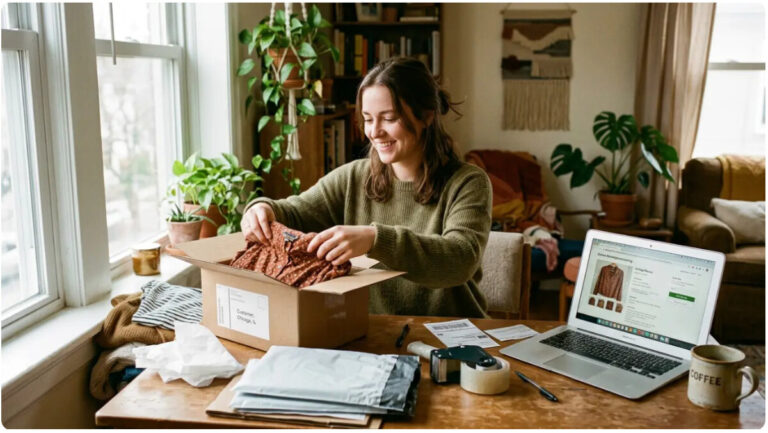
The first time I sold something I’d made — a set of hand-thrown ceramic mugs, wobbly-footed but honestly kind of charming — I priced them at $12 because that felt like “a lot” for something I’d normally give away. It took me three more sales and one embarrassing conversation with a friend who does this professionally to realize I’d priced myself out of ever covering my clay and glaze costs, let alone my time. That miscalculation is the single most common reason people quit before they ever turn a hobby into side income — not lack of skill, not lack of demand, just bad math in the first thirty days.
The short answer: you turn a hobby into side income by treating one small, repeatable slice of what you already make or do as a product — priced to cover materials, time, and platform fees — sold through one channel you test for 60–90 days before you touch a second one. Everything else (branding, business names, a full online shop) can wait. Below is the version of this I wish someone had handed me before I sold that first sad-looking mug.
Which Hobbies Actually Turn Into Income — and Which Stay Hobbies?
Not every hobby converts at the same speed, and that’s worth knowing before you sink a weekend into building a shop nobody visits yet. Crafts with a physical, giftable end product (pottery, candle making, woodworking, jewelry, knitting) tend to get their first sale fastest because friends and local buyers are an easy starting audience. Skill-based hobbies (photography, baking, calligraphy, tutoring a language you speak fluently) usually take a bit longer to find buyers but often support higher prices per hour once they do.
| Hobby Type | Typical Time to First Sale | Realistic Monthly Ceiling (Part-Time) | Upfront Cost |
|---|---|---|---|
| Handmade crafts (jewelry, candles, soap) | 1–3 weeks | $200–$800 | Low ($50–$200) |
| Pottery / woodworking | 1–2 months | $300–$1,200 | Moderate–High ($200–$1,000+) |
| Photography / design skills | 2–6 weeks | $300–$1,500 | Low if gear is owned |
| Baking / home cooking | 1–2 weeks | $150–$600 | Low, but check local cottage food laws |
| Teaching a skill / tutoring | 2–4 weeks | $200–$1,000 | Very low |
These are rough, self-reported ranges I’ve pieced together from talking with other part-time sellers, not a guarantee — your city, your niche, and how much time you can actually give it will move these numbers around a lot. But the pattern holds: cheaper-to-start crafts sell fastest, and skill-based work pays better per hour once it’s rolling.

What’s the Pricing Mistake That Kills Most Hobby Sellers?
The mistake is pricing based on what feels “fair” to charge a friend instead of what actually covers your costs. Here’s the formula that fixed it for me:
Price = (Materials cost) + (Hours × your target hourly rate) + (Platform or marketplace fee, usually 5–15%) + (10% buffer for mistakes and waste)
If you skip the hourly-rate piece, you’ll end up “profitable” on paper while effectively paying yourself $2 an hour — which is exactly how a lot of side projects quietly die of exhaustion rather than failure. When I redid my mug pricing with this formula, the number jumped from $12 to $34. I lost a few casual buyers. I also, for the first time, made actual money instead of funding an expensive habit.
Where Should You Actually Sell — Marketplace, Local, or Direct Orders?
This is the decision most people overthink. In practice there are three starting lanes, and you only need one to begin:
- Online marketplaces (Etsy, eBay, a Facebook Shop) — best for physical, giftable products with broad appeal. Built-in search traffic, but you’re competing on price and paying listing/transaction fees.
- Local channels (farmers markets, craft fairs, community Facebook groups) — best if your product is bulky, personal, or benefits from being seen and touched. Slower to scale, but zero algorithm to fight.
- Direct commissions or bookings (word of mouth, Instagram DMs, a simple booking link) — best for skill-based work like photography, baking, or tutoring where trust matters more than discovery.
Pick the lane that matches your product type, run it for 60–90 days, and resist the urge to be everywhere at once. Splitting attention across four platforms before you’ve made your first ten sales is the fastest way to make progress on none of them.
Do You Need to Register a Business or Pay Taxes on Hobby Income?
This is the part people avoid thinking about until tax season, and it’s genuinely worth ten minutes now. In the United States, the IRS distinguishes between hobby income and business income largely based on whether you’re operating with the intent to make a profit and doing so in a businesslike way — and hobby income is still taxable, even if you never register anything formally. Once you’re consistently selling with the intent to profit rather than occasionally gifting extras, it’s worth looking at whether a simple sole proprietorship or LLC makes sense for your state; the U.S. Small Business Administration’s guide to registering a business walks through the basic options without requiring a lawyer for a small operation.
You don’t need to solve this before your first sale. You do need to keep basic records — what you spent, what you earned — from day one, because reconstructing three months of cash sales from memory in April is its own special kind of misery.
How Do You Turn a Hobby Into Side Income Without Losing the Fun?
This is the question nobody warns you about. Somewhere between sale five and sale fifty, a hobby that used to be your break from work quietly turns into more work — and if you’re not paying attention, you can burn out on the exact thing you used to love. A few boundaries that have kept this from happening to me: cap the hours you’ll spend per week before you start (mine is six), say no to custom requests that don’t fit your process, and build in at least one “just for me” project every month that you never intend to sell. If you notice you’re dreading the thing you used to look forward to, that’s the signal to scale back, not push through.
When Should You Scale, Stay Small, or Stop?
After your first 60–90 days, you’ll usually land in one of three places, and each one is a legitimate outcome:
- Scale it — demand consistently outpaces your capacity, margins hold up after the pricing formula above, and you actually enjoy the growing-business parts (customer service, restocking, shipping). This is when a real business registration starts to make sense.
- Keep it small on purpose — it covers a specific goal (extra grocery budget, a vacation fund) and you don’t want more hours or more complexity. Nothing wrong with staying here indefinitely.
- Stop or pause — the math doesn’t work, or it stopped being fun. A hobby that goes back to being just a hobby isn’t a failure; it’s data.
Whichever direction you go, the extra income is only useful if it doesn’t just evaporate into your regular spending. If you’re figuring out where side income should actually go, our breakdown of the 50/30/20 budget rule is a simple way to decide how much to save, spend, and reinvest in supplies each month.
A Simple 30-Day Starting Plan
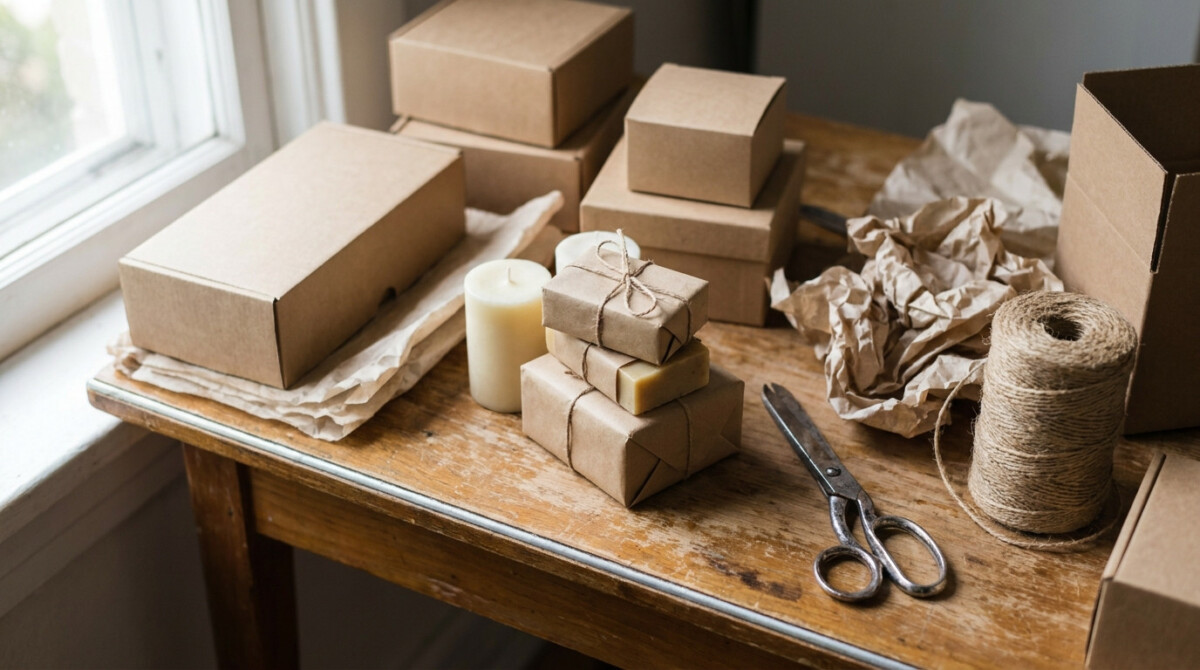
If you want a concrete place to start rather than more theory, here’s roughly how I’d sequence the first month:
- Week 1: Pick one product or service. Calculate your real price using the formula above.
- Week 2: Choose one selling channel that matches your product type. Set up the bare minimum listing or booking method.
- Week 3: Sell to your existing circle first — friends, neighbors, local groups. Ask every buyer for honest feedback.
- Week 4: Adjust pricing or process based on what you learned, and decide if you’re ready to open it up beyond people you already know.
None of this requires quitting your job, building a website, or having a business plan. It requires one product, one price that actually pays you, and one place to sell it.
Three Myths That Stop People From Starting
A few beliefs kept me from trying this for almost two years, and I’ve heard versions of the same three from nearly every other part-time seller I’ve talked to since:
“My work isn’t good enough yet.” Plenty of people happily pay for handmade or personal work that isn’t gallery-quality — they’re paying for something made by a person, with a story, not for perfection. Skill improves with paid practice faster than it improves in isolation.
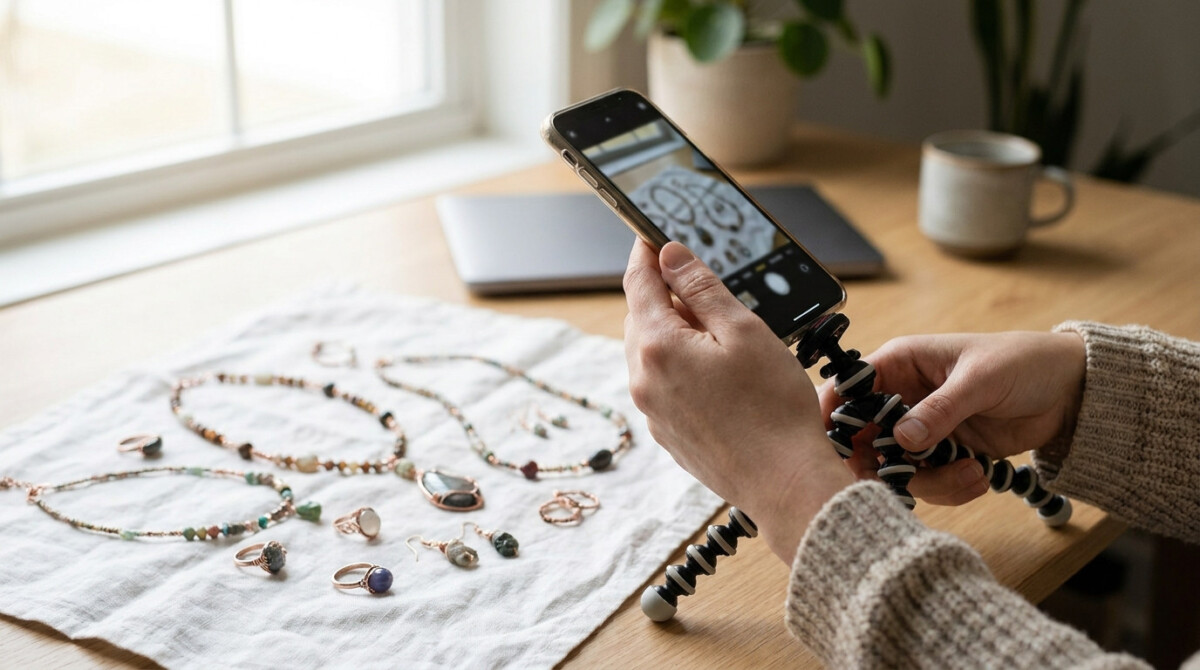
“I need a logo, a website, and a business name first.” None of that generates a single sale on its own. A phone camera, one clear photo, and a price is enough to test whether people want what you’re making before you invest in branding.
“It has to become a real business or it’s not worth doing.” It doesn’t. Plenty of people who successfully turn a hobby into side income keep it deliberately small — a few hundred dollars a month that covers something specific — for years, without ever registering an LLC or hiring anyone. Small and sustainable beats big and abandoned.

Frequently Asked Questions
How much money can you realistically make turning a hobby into side income?
Most part-time hobby sellers land somewhere between $150 and $1,000 a month, depending on the hobby type, hours available, and how well the item or skill sells locally versus online. Very few reach full-time income without significantly increasing hours or shifting to wholesale and scaling production.
Do I need a business license to sell what I make from home?
Not usually at the very beginning, but requirements vary by city, state, and product type — food items in particular often fall under cottage food laws. Once sales become consistent, check your local requirements and consider registering, using the SBA’s guide linked above as a starting point.
What’s the easiest hobby to turn into side income?
Hobbies with low startup costs and an existing local audience — baking, simple crafts, or a skill you can teach — tend to produce a first sale fastest, often within one to three weeks of deciding to sell.
How do I price my handmade items so I actually profit?
Add up materials, multiply your hours by a target hourly rate, add your marketplace or platform fee percentage, then add a 10% buffer. Selling below this number means you’re effectively paying yourself to make things, not earning from it.
Is hobby income taxable even if I don’t have a business?
Yes. The IRS treats hobby income as taxable regardless of whether you’ve formally registered a business, so keeping basic records of sales and expenses from your first sale onward will save you a headache later.
If turning one hobby into income sounds appealing but you’re not sure it’s the right first move for your schedule, it’s worth comparing it against other options — our guide to 15 realistic side hustles you can start this week covers lower-effort alternatives if you’d rather skip the product-making step entirely.