
Written and reviewed by Wiseguide · Published September 2026 · 10 min read
The honest version of how I landed my first paid freelance project starts with six weeks of silence and one embarrassingly short email. I had no portfolio site. No LinkedIn testimonials. No fancy case studies. What I had was a skill — and zero idea how to prove it to a stranger on the internet. If that sounds like where you are right now, this is the guide I wish I’d had.
The good news: finding your first freelance client without a portfolio or a following is genuinely possible — not as a hustle-culture fantasy, but as a practical, repeatable process. I’ll walk you through exactly how, step by step, including the specific things I did wrong so you don’t have to repeat them.

Why “No Portfolio” Is Less of a Problem Than You Think
Most freelance advice tells you to build a portfolio before you pitch. That’s backwards. A portfolio is evidence of past work — you get past work by getting clients. Waiting until you have a polished portfolio to start pitching is the freelance equivalent of waiting until you’re fit to start going to the gym.
What clients actually need to know isn’t “have you done this before?” They need to know: can you do this well, and can I trust you? Those two things are provable without a portfolio — and this guide is about exactly how to prove them.
According to the FTC’s guidance on business practices, transparency and demonstrated capability matter far more than polish in new professional relationships. That same principle applies here: showing your thinking, your process, and your communication style does more work than a slick website ever could in the early days.
Step 1 — Name the Skill You’re Actually Selling
Before you talk to a single potential client, you need to get specific. “Freelancer” isn’t a skill. “Writer” is still too broad. “Email copywriter for SaaS companies” is something a client can immediately understand — and either say yes or no to.
The more specific you are, the less you’re competing. “Social media manager” is a crowded field. “Instagram content strategist for independent restaurants” is a conversation starter.
When I was starting out, I kept my offer vague because I was afraid of narrowing too fast. That was a mistake. The week I picked a specific skill and a specific type of client, my response rate on outreach jumped noticeably — not because my pitches got longer, but because they got more relevant.
Try this exercise: finish the sentence “I help [specific client type] to [specific result] by [your method].” If you can say that out loud in one breath, you’re ready to start reaching out.
Step 2 — Create a “Proof of Thinking” Sample (Not a Portfolio)
Here’s what you do instead of a portfolio: you create one targeted sample specifically for the type of client you’re going after. Not ten generic samples. One focused, excellent piece of work that solves a real problem for a real type of client.
If you’re a copywriter, rewrite an existing company’s weak product page — one that genuinely needs work — and use it as your pitch piece. If you’re a graphic designer, mock up a brand refresh for a local business you admire. If you’re a social media manager, put together a content calendar for an imaginary client in your target niche, with real strategy behind it.
This isn’t spec work in the exploitative sense — you’re not doing free work for someone who’s stringing you along. You’re creating a demonstration of your thinking, which is something you own and can reuse in outreach after outreach.
I wrote a sample newsletter for a type of company I wanted to work with before I had a single client. I sent it to eight companies. One replied within two days. That became my first paid project.
Step 3 — Go Warm Before You Go Cold
Cold outreach works — but warm outreach works faster, and it’s far less demoralizing when you’re just starting out. “Warm” means there’s already some existing connection, however thin: you follow them, you’ve commented on their content, you have a mutual contact, or you’ve been a customer of theirs.
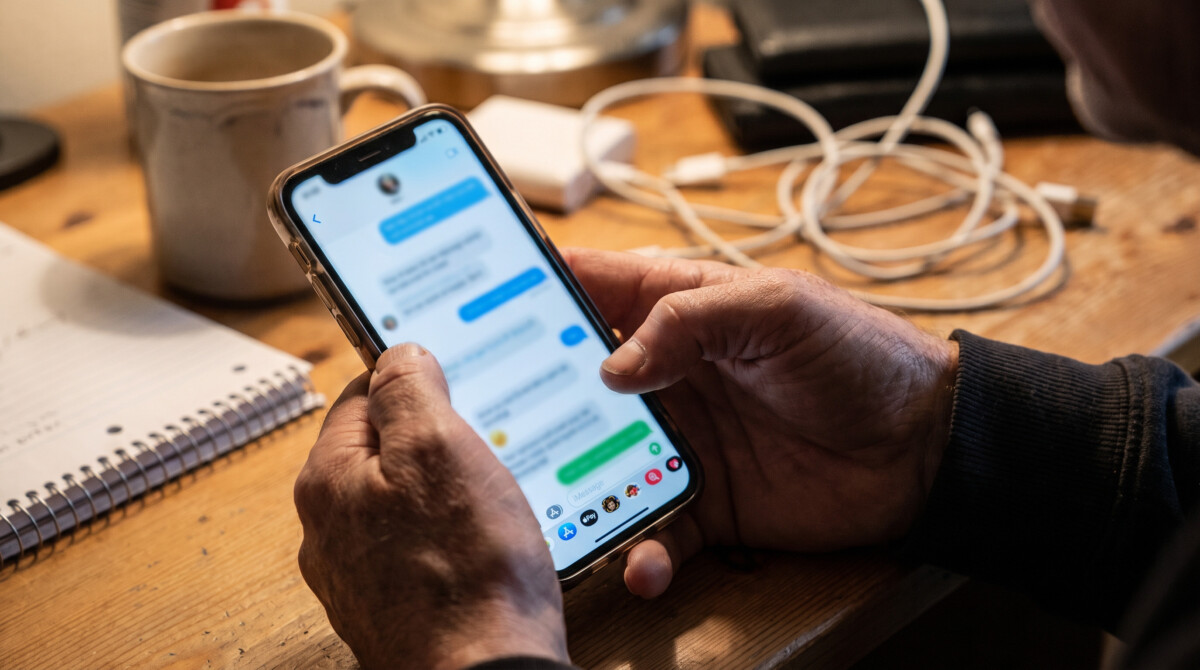
Start here: make a list of everyone you know who runs a business, works at a company that could use your skill, or knows someone who does. This includes former coworkers, classmates, neighbors, family members’ employers, people you follow online. The list is almost always longer than you expect.
Then, instead of pitching immediately, start by being genuinely helpful. Comment thoughtfully on their content. Share something useful with no strings attached. Ask a smart question about their business. When you do eventually mention that you freelance, it won’t feel like a pitch — it’ll feel like a natural next step in an existing conversation.
The majority of freelancers I’ve spoken with who landed their first client in under 30 days did it through someone they already knew, not through a job board. That’s not a coincidence.
Step 4 — Use Micro-Platforms Before Big Ones
Upwork and Fiverr get all the attention, but they’re also the most competitive starting points for someone without reviews. There are smaller, lower-competition venues that can get you a real client faster:
| Platform / Channel | Best For | Competition Level |
|---|---|---|
| Facebook Groups (niche business groups) | Service-based freelancers, local/online small businesses | Low–Medium |
| Reddit (r/forhire, niche subreddits) | Tech, writing, design, marketing | Low–Medium |
| LinkedIn (direct DM, not job board) | B2B services, consulting, writing | Medium |
| Slack communities (industry-specific) | Startups, SaaS, tech, marketing | Low |
| Local business associations / Chamber events | Any service, especially for local clients | Very Low |
| Contra or Toptal (curated) | Tech, design, writing (mid–senior level) | Medium–High (but quality-focused) |
When I finally stopped refreshing Upwork and started posting in a niche Facebook group for independent business owners, I had a paid conversation within a week. The group had maybe 3,000 members. The specificity made all the difference.
Step 5 — Write Outreach That’s Actually About Them
Most freelance outreach fails for one reason: it’s about the freelancer. “I’m a writer with 5 years of experience and I specialize in…” The client doesn’t care yet. They want to know what’s in it for them.
Flip the structure. Start with something specific you noticed about their business — a real observation, not flattery. Then briefly explain what you do. Then connect the two with a concrete idea or question. Keep it short enough to read in 45 seconds.
Here’s the pattern I used:
- One specific observation about them (shows you’ve done your homework)
- One sentence about what you do (clear, no jargon)
- One idea or question that bridges the two (specific, actionable)
- One low-friction ask (a 15-minute call, not a contract)
No attachments on the first message. No PDF. No portfolio link if you don’t have one yet. Just words on a screen that make them think: hm, this person actually looked at what we do.
According to the U.S. Small Business Administration’s guide on customer acquisition, personalization and relevance consistently outperform volume in professional outreach — a principle that holds just as true for freelancers reaching out to potential clients as it does for any small business.
Step 6 — Offer a Paid Trial Project, Not Free Work
Here’s where a lot of beginners go wrong: they offer to work for free to prove themselves. Don’t. Free work signals low value and attracts clients who will treat you accordingly. Instead, offer a small, bounded, paid trial project.
“I’d love to write one email sequence for you — something short and specific — so you can see how I work before committing to anything larger. I charge [X] for that scope.”
This does several things at once. It removes the risk for the client (small commitment, easy to say yes). It sets a professional tone from the start. And it gives you a real portfolio piece that you got paid for — which is the beginning of a track record.
My first paid project was 300 words for $75. That’s not life-changing money. But it was a receipt I could point to, and it led directly to a longer engagement.

What to Do When You Hear Nothing
Silence is the most common response to early outreach — and it doesn’t mean no. It usually means I saw this but haven’t had time to think about it. One follow-up message, sent 5–7 days later, dramatically increases response rates. Two follow-ups is the max. After that, move on.
The number that kept me going in those early weeks: it typically takes 20–30 honest outreach attempts to land the first client. Not because your pitch is bad, but because timing, need, and budget all have to align simultaneously. Most of those 20–30 attempts will be near-misses, not rejections. Keep going.
While you’re waiting for replies, keep doing visible work. Post something useful in the communities your target clients are in. Write a short take on an industry topic. Help someone with a question you know how to answer. You’re building a presence in the spaces where future clients are already hanging out — and that compounds over time in ways that cold outreach alone never will.
If you’re also working on building sustainable income streams alongside your freelance efforts, you might find it useful to read our guide on building a second income stream without burning out — the mindset principles overlap more than you’d expect.
Building From Your First Client
Once you land that first client — even a small one — the dynamic shifts completely. You have a real person who paid real money for your work. That’s a reference, a testimonial, and potentially an ongoing relationship. Treat that first client exceptionally well, because the easiest next client to land is the one you already have.
Ask for a short testimonial as soon as the project wraps. Ask if they know anyone else who might need what you do. Keep the relationship warm even when you’re not actively working together. These three habits, done consistently, are how a freelance practice grows — quietly, through people who already know your work is good.
For a broader look at what a sustainable side income from freelancing actually looks like month to month, our post on how to set your freelance rates is worth reading before you price your next project.
Frequently Asked Questions
Can I find my first freelance client without a portfolio?
Yes. A portfolio helps, but it’s not a prerequisite. What clients need to see is that you understand their problem and can solve it. A targeted sample piece, a well-researched pitch, and clear communication can substitute for a portfolio in the early stages.
How long does it take to find the first freelance client?
It varies, but most people who are actively reaching out — 5 to 10 targeted contacts per week — land their first client within 4 to 8 weeks. The biggest variable is how specific your offer is and how warm your initial contacts are.
Should I offer free work to get my first client?
No. Offer a paid trial project instead — small scope, clear deliverable, fair price. Free work devalues your skill and often attracts clients who won’t become repeat customers. A small paid project sets the right tone from the start.
What’s the best platform to find first freelance clients?
For beginners, niche-specific Slack communities, Facebook groups for small business owners, and direct LinkedIn outreach tend to outperform large job platforms like Upwork or Fiverr — simply because the competition is lower and the conversations feel more human.
What skills are easiest to freelance without prior clients?
Skills with tangible, demonstrable outputs tend to be easiest: copywriting, graphic design, social media management, video editing, virtual assistance, bookkeeping, and web development. These are areas where a single strong sample can substitute for a track record.
How do I price my work as a first-time freelancer?
Research the going rate for your skill in your market, then position yourself at the lower end of mid-range — not at rock-bottom, which signals desperation, but not at expert rates before you have the receipts. Raise your rates after every two or three successful projects.
Financial Disclaimer: This post is for informational and educational purposes only. Freelance income varies significantly based on skill, market conditions, effort, and other factors. Nothing in this post constitutes professional business or financial advice. Always research your specific market and consult a professional when appropriate.