There’s a moment I think a lot of people have had — you’re standing at a coffee shop, and instead of fumbling for your wallet, you just tap your phone. Done in half a second. No bills, no coins, no math. And weirdly, no thought at all.
That frictionlessness is, by design, making you spend more. The concept researchers call the pain of paying explains exactly why — and once you understand it, you start to see your spending habits in a completely different light.
What Is the “Pain of Paying,” Exactly?
The term was coined by behavioral economist Ofer Zellermayer in the late 1990s, and later developed further by Dan Ariely and Drazen Prelec at MIT. Their core finding: spending money is psychologically painful — it activates parts of the brain associated with discomfort — but that pain varies dramatically depending on how you pay.
Three factors determine how strongly you feel the pain of paying:
- Transparency — Can you clearly see how much you’re spending? Cash is the most transparent; a tap-to-pay is the least.
- Concurrency — Does the payment happen at the same moment as the purchase? With cash, yes. With credit cards, you’re paying for something weeks later on a statement buried in your inbox.
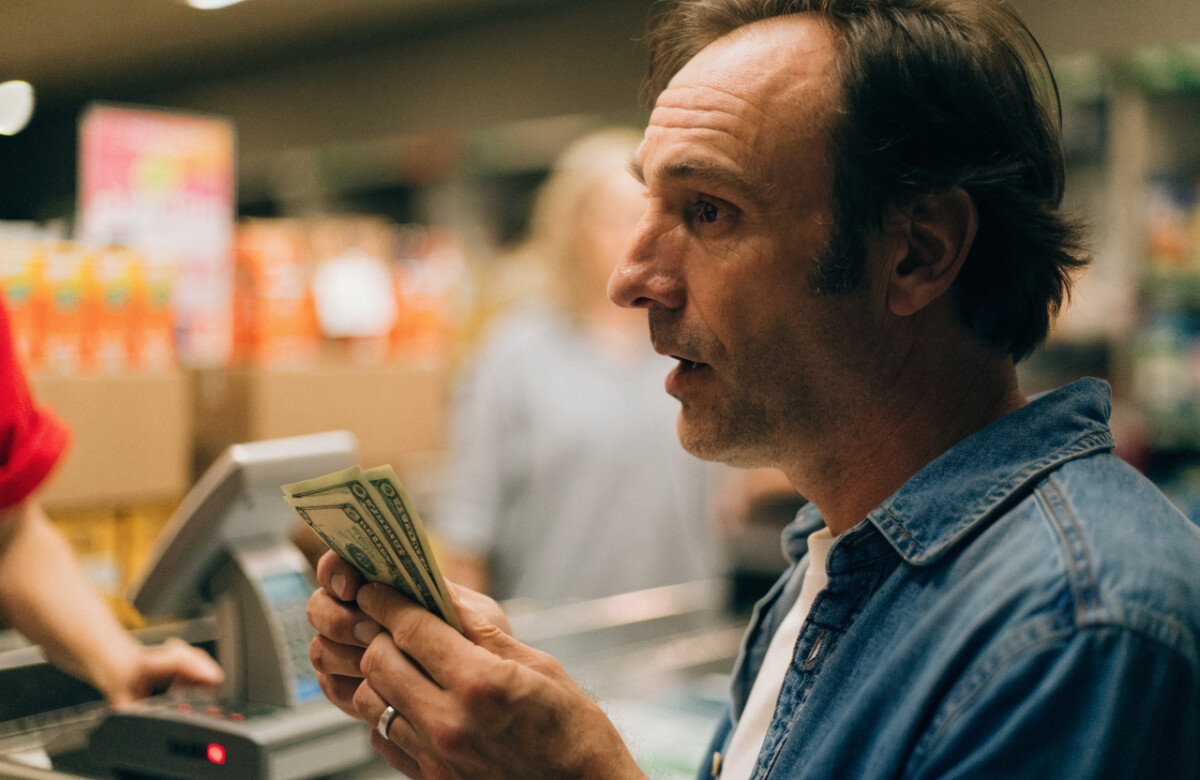
- Physicality — Is there a tangible exchange? Handing over a $20 bill and getting $3 back makes the cost viscerally real in a way that a card swipe simply doesn’t.
The more of those three elements are present, the more you feel the sting. And — here’s the key insight — that sting is useful. It’s your brain doing its job, flagging a tradeoff that deserves attention.
How Frictionless Payments Are Quietly Draining Your Budget
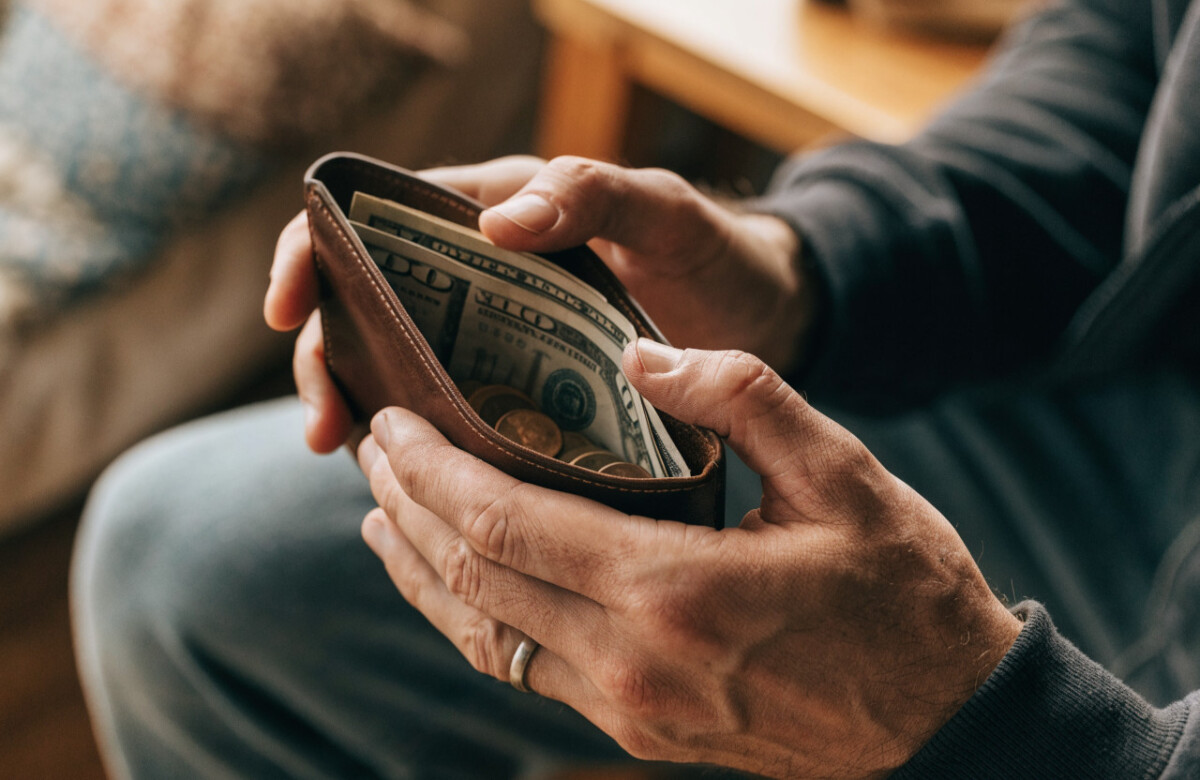
The past decade has been a relentless march toward zero-friction payments. Contactless cards. Phone wallets. One-click checkout. Subscribe-and-save. Buy now, pay later. Each innovation removes another tiny obstacle between impulse and purchase — and research consistently shows that as payment friction decreases, spending goes up.
A study published in Scientific Reports found that credit card users showed significantly reduced neural responses associated with the cost of a purchase compared to cash users. In plain terms: your brain barely registers the loss when you swipe a card. That’s great for user experience. It’s terrible for your bank balance.
The effect compounds with Buy Now, Pay Later services, which add a third layer of distance: not only is there no physical handover, the pain is deferred to a future version of you who — let’s be honest — feels like a different person entirely. It’s not a coincidence that BNPL users consistently report higher rates of overspending and financial regret.
If you’ve ever found yourself spending emotionally without realizing it, this mechanism is often the invisible engine behind it. The easier it is to pay, the less thinking you do before you do it.
What the “Cash Diet” Research Actually Showed
Multiple studies over the past 20 years have tested what happens when people switch to cash-only spending for a defined period. The results are remarkably consistent:
People spend less. Not a little less — meaningfully less. One frequently cited study found that households using cash spent up to 18–23% less on discretionary items than comparable households using cards. A separate experiment focused on fast food found that card users ordered significantly larger meals, even when they weren’t hungrier.
The mechanism isn’t willpower. People using cash weren’t white-knuckling through temptation. They simply felt the cost more acutely at the moment of decision — and that feeling naturally led to different choices. They paused. They considered. Sometimes they put something back.
That pause is everything. Most budgets don’t collapse from one catastrophic decision. They erode through a hundred small ones that each felt like nothing.
Using “Friction” as a Practical Spending Tool

You don’t have to go fully cash-only to harness this principle. The goal isn’t deprivation — it’s inserting the right amount of friction at the right moments. Here are some approaches that actually work in practice:
Cash Envelopes for Your Highest-Risk Categories
You probably know your weak spots. Maybe it’s dining out. Maybe it’s Amazon at midnight. Pick the one or two categories where you consistently overspend, and fund those exclusively with cash for a month. You’re not cutting the spending — you’re just changing the medium. When the envelope is empty, it’s empty. The physical finality of it is, for most people, shockingly effective.
Add a Waiting Step Before Online Purchases
Browser extensions like “cart abandonment timers” or simply making a rule that items stay in your cart for 24–48 hours before checkout work on the same principle. You’re engineering a pause — a moment where the purchase gets re-evaluated by a slightly cooler version of yourself. Many things that feel urgent at 10pm feel optional by the next morning.
Delete Saved Payment Information
This one sounds small and feels huge. Removing your card from auto-fill on your most-used shopping sites adds maybe 90 seconds to a purchase. Research on friction consistently shows that even trivially small barriers dramatically reduce impulsive action. You’re not making things impossible — you’re making them slightly less automatic.
Move Your Banking Apps Off the Home Screen
This applies to payment apps too. If Apple Pay or Venmo isn’t one tap away, you’re less likely to initiate a transaction on reflex. Out of sight genuinely helps with this one.
Weekly Cash Recap, Even If You Use Cards
Set aside 10 minutes each week to manually look at what you spent. Don’t just check the balance — read through the transactions. This recreates something close to the transparency of cash retroactively. It’s not as powerful as cash in the moment, but it rebuilds the mental connection between spending and consequence that frictionless payments quietly sever. If you’ve ever hit budget burnout from trying to track everything perfectly, this lighter approach works as a sustainable middle ground.
But I Can’t Go Cash-Only — What Then?
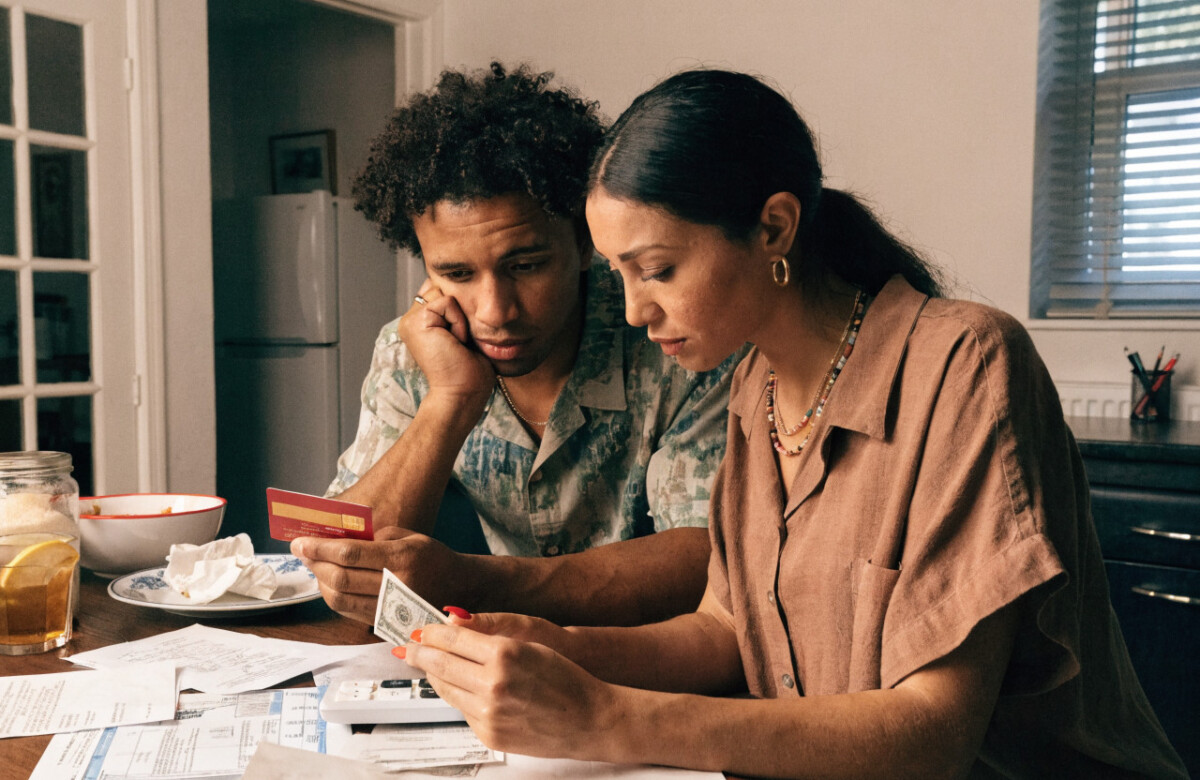
There are real situations where cash is genuinely inconvenient or unsafe — online subscriptions, travel, large purchases where you want fraud protection. The goal isn’t to abolish cards. It’s to be strategic about when you use which.
A hybrid approach works well for a lot of people: debit or cash for grocery shopping, dining, and entertainment (the categories most prone to drift), credit cards with hard limits for fixed monthly expenses and travel where protections matter. The card rewards points can feel compelling, but they tend to justify spending that wouldn’t happen otherwise. In most analyses, people who optimize for rewards still spend more than people who optimize for awareness.
If you use credit cards and want to keep that pain-of-paying signal alive, pay them off manually each week rather than setting up autopay. The act of manually transferring money out of your checking account to cover what you spent puts the two events — spending and paying — back into psychological proximity.
The Bigger Idea Behind All of This
What the pain-of-paying research ultimately shows isn’t that cash is some magical budgeting tool. It’s that awareness is the tool, and cash just happens to be very good at creating it automatically.
Modern financial infrastructure is designed — very deliberately — to minimize your awareness at the point of purchase. Frictionless checkout, stored card data, one-click everything: these are features built to serve the seller’s interests. Reintroducing friction, in whatever form works for your life, is a way of rebalancing that equation in your own favor.
It doesn’t require tracking every penny or building a complicated spreadsheet system. It just requires occasionally pausing long enough to let your brain actually register what’s happening. That pause, it turns out, is worth a lot of money over time.
Frequently Asked Questions
Does the pain of paying really make you spend less?
Yes — consistently across multiple studies. The effect is strongest with cash and weakest with contactless or digital payments. Even small amounts of friction (like removing saved card data) measurably reduce impulsive spending.
Is paying with cash actually safer for budgeting than a debit card?
For most people, yes — especially for discretionary spending. Cash provides a hard, visible spending limit. Debit cards technically draw from the same account, but the absence of physical exchange reduces how acutely you feel each transaction.
What is the pain of paying in behavioral economics?
It’s the psychological discomfort associated with spending money, first studied by Ofer Zellermayer and later popularized by Dan Ariely and Drazen Prelec at MIT. The core idea is that different payment methods trigger different levels of this discomfort — and higher discomfort naturally leads to more careful spending decisions.
How can I use friction to spend less without going cash-only?
Delete saved payment information from frequently used sites, add 24-hour waiting periods before online purchases, do a manual weekly spending review, and consider cash envelopes for your highest-risk spending categories. Each of these re-inserts a moment of awareness between impulse and action.
Written by Wiseguide — GetWiseTips.com covers practical personal finance for everyday life. Have a question or your own experience with the cash method? Share it in the comments below.