
15 Best Realistic Side Hustles You Can Start This Week (What Actually Pays, and What Doesn’t)
A few winters ago, my furnace decided to quit on the coldest week of the year. The repair quote was $640, and my “emergency fund” at the time was more of an emergency wish. I spent that weekend doing three things I’d never done before: reselling a box of clothes I’d been meaning to donate for a year, walking my neighbor’s overexcited golden retriever twice a day, and picking up a Saturday shift proofreading a friend’s freelance client’s website copy. By the following Friday, I’d covered about half the repair bill. Not glamorous. Not passive. But real money, earned in a real week.
That’s the honest starting point for this list. A realistic side hustle is one you can start with what you already have — time, a skill, or stuff sitting in a closet — and that pays you within days, not months. The fifteen below are grouped by what they actually require, because “side hustle” is a lazy catch-all term that hides some very different tradeoffs between effort, startup cost, and how fast the money shows up.
A Quick Reality Check Before Choosing Realistic Side Hustles
Most “side hustle” roundups quietly average together things that pay $8/hour and things that pay $60/hour, then present all fifteen as equally “start this week!” That’s misleading, and it’s part of why side hustles get a bad reputation online. So here’s the deal: I’ve noted a rough, realistic hourly range for each one below, based on current gig-platform rates and freelance market averages as of mid-2026. Your actual number will depend on your city, your experience, and honestly, some luck. Treat these as planning ranges, not promises.

>
Sell What You Already Own or Make
This is the fastest category — no application process, no waiting to get “approved,” just listing something and waiting for a buyer. It’s also the category with the least predictable income, since it depends on what you actually have.
1. Resell clothes and household items you no longer use. Platforms like Poshmark, ThredUp, and eBay make this close to zero-cost — you’re monetizing stuff that was otherwise headed to a donation bin. Realistic range: $15–$35/hour of active work (photographing, listing, packing), but it’s lumpy — some weeks you sell nothing, some weeks you clear $150 in a weekend.
2. Flip thrift-store and yard-sale finds. A step up from hustle #1: you’re buying low specifically to resell higher. Furniture, vintage clothing, and collectibles tend to have the best margins. This one takes an eye for value more than time, and it does require a small amount of upfront cash.
3. Sell handmade goods on Etsy. If you already knit, bake (check local cottage food laws first), or make jewelry, this turns a hobby into a small storefront. Be honest with yourself about the time cost of production — the profit margin on handmade goods is often thinner than people expect once materials and hours are both counted.
4. Sell digital products — templates, printables, or planners. Unlike the other three, this one scales: you make the file once and can sell it repeatedly. It’s also the slowest to gain traction, since you’re competing with an enormous existing marketplace. Good for someone who wants to build something longer-term rather than get cash this week.
Trade an Hour for Cash, Close to Home
These require almost no setup cost and tend to pay in cash or same-week transfers, which makes them the closest thing to “instant” on this list.

5. Dog walking or pet sitting. Apps like Rover and Wag handle the matching and payment for you. This was actually my fastest win during that furnace week — a 30-minute walk twice a day for one week covered more than I expected. Realistic range: $15–$25/hour, higher for overnight sitting.
6. Babysitting or senior companion care. Word-of-mouth and neighborhood apps (Nextdoor, local Facebook groups) still outperform big platforms here. Rates vary enormously by region and by whether you have relevant experience or certifications (like CPR).
7. Yard work, seasonal cleanup, or snow removal. Mowing lawns, raking leaves, or shoveling driveways — unglamorous, but there’s steady demand and almost no startup cost if you already own basic tools. This is one of the few hustles on this list where a flyer in the neighborhood still works better than an app.
8. Local errands and small tasks via TaskRabbit-style apps. Furniture assembly, moving help, waiting in line, minor home repairs. Pay tends to be higher than dog walking because the tasks require more physical effort or a specific skill, but availability depends heavily on your city.
Use a Skill You Already Have
This is where the hourly ceiling gets noticeably higher — but it’s also where “start this week” gets a little less literal. Landing your first client usually takes more than a few days, even if the actual work is something you’re already good at.
9. Freelance writing or editing. If you can write clearly, there’s steady demand for blog content, product descriptions, and business copy — this whole website is built on that idea. Realistic range for a beginner: $20–$40/hour; experienced freelancers in a specific niche can charge significantly more. Upwork, Contra, and direct cold outreach to small businesses are all reasonable starting points.
10. Tutoring, academic or test-prep. If you’re strong in a subject — math, a language, standardized test prep — platforms like Wyzant or Varsity Tutors handle client-matching, or you can go direct through a local parent Facebook group. Pays reliably well relative to the time invested.
11. Bookkeeping for small businesses. Less flashy than the others, but small business owners consistently struggle to keep their books current, and it doesn’t require a CPA license to help with basic reconciliation and categorization. Worth exploring if you have any accounting or finance background — even an unfinished degree counts for something here.
12. Social media management for local businesses. Restaurants, salons, and small retailers often know they should be posting consistently and just… aren’t. If you’re comfortable with a phone camera and basic scheduling tools, this can turn into a recurring monthly retainer faster than most items on this list.
Flexible Gig Work
The tradeoff here is different: lower per-hour ceiling than skilled freelancing, but genuinely the fastest to start, since most of these apps let you begin earning within 24–48 hours of signing up.
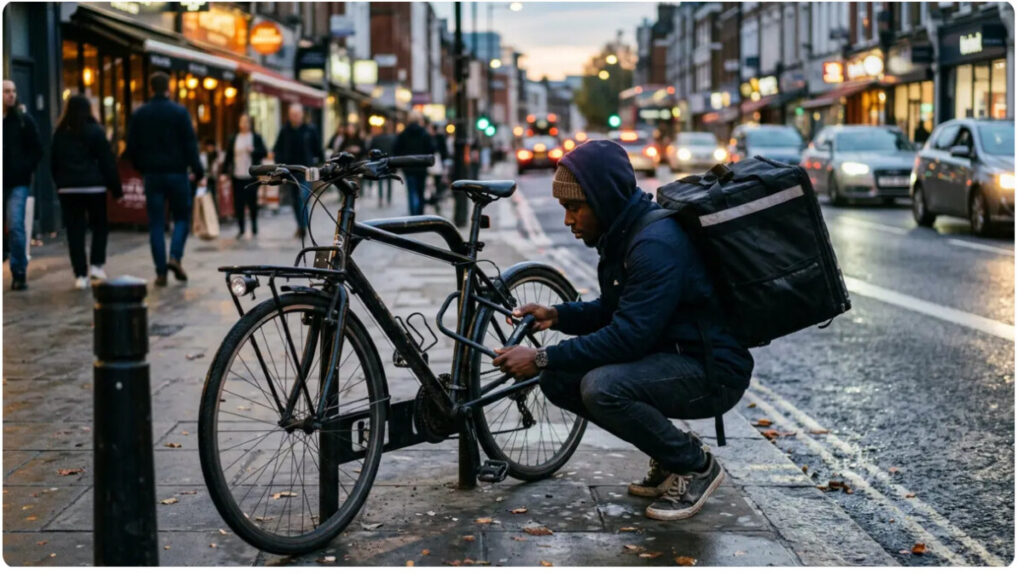
13. Rideshare or food delivery driving. Uber, DoorDash, Instacart — these remain the most accessible “sign up today, earn tomorrow” option on this list. Realistic range after gas and vehicle wear: $12–$22/hour depending on your city and time of day. Weekend evenings tend to pay noticeably better than weekday afternoons.
14. Grocery shopping and delivery gigs. Similar to rideshare in accessibility, often slightly better per-hour once you get efficient at routing your shopping trips.
15. Renting out a spare room, parking spot, or storage space. The most passive item on this list — Airbnb for a spare bedroom, or Neighbor.com for unused garage or storage space. Almost no ongoing time cost after setup, but income depends heavily on your location and what you’re willing to share.

So What Would I Actually Start With?
If I were back in that furnace-repair week today, I’d still start with #1 (reselling) and #5 (pet sitting) — they need zero approval time and put cash in your account within days. If the goal is longer-term income rather than a one-time emergency, I’d point toward #9 or #12: freelance writing and social media management both have a real path to recurring monthly income, which is the thing that actually changes a budget rather than just patching one gap in it.
What I wouldn’t do is sign up for all fifteen at once. Pick one from the “fast cash” categories and one from the “skill-based” category, and give each a real two-week trial before judging whether it’s worth your time.
Before You Start: Three Guardrails
Track it for taxes. In the U.S., side hustle income is taxable even if you never receive a 1099 form for it. Keep a simple spreadsheet of what you earn and any related expenses — it’ll save you a headache in April.
Watch for scams disguised as “gigs.” Any opportunity that asks you to pay an upfront fee to start earning, or that pays you by asking you to forward part of a check, is not a real side hustle. Legitimate platforms make money by taking a cut of what you earn, not by charging you to sign up.
Don’t let a side hustle wreck your main budget. If you’re driving for rideshare, factor in gas and vehicle depreciation before deciding the hourly rate is worth it. If you’re reselling items, don’t buy new inventory before your first few sales prove there’s actual demand.
Frequently Asked Questions
How much can you realistically make from a side hustle in one week? It depends heavily on which category you choose. Selling items you already own or doing local gig work (dog walking, delivery driving) can realistically bring in $50–$300 in your first week with a few hours of effort. Skill-based hustles like freelance writing or tutoring often take longer to land a first client, but pay more per hour once they do.
Do I have to report side hustle income on my taxes? Yes. In the U.S., all income is taxable regardless of whether you receive a 1099 form, and platforms are generally required to issue one once you cross a certain earnings threshold. Keep records as you go rather than trying to reconstruct them later.
What’s the easiest side hustle to start with no money? Reselling items you already own and pet sitting or dog walking both require essentially no upfront investment — just time and, in some cases, a smartphone to list items or sign up for an app.
How many hours a week does a typical side hustle take? Most people on this list start with 3–8 hours a week, often on evenings or weekends. That’s usually enough to test whether a specific hustle is worth continuing before committing more time.
Can a side hustle replace a full-time income? For a small number of people, yes — usually the skill-based hustles (freelance writing, bookkeeping, tutoring) have the clearest path to that outcome, but it typically takes months of consistent client work, not weeks. Treat side hustle income as supplemental until it’s proven otherwise for you personally.
Related reading: [The 50/30/20 Budget Rule Explained], [How Much Should You Have in an Emergency Fund?]